


When it comes to choosing a coat, what are the differences between softshells and waterproofs, and which is best when?
Before we go any further what are we talking about here?
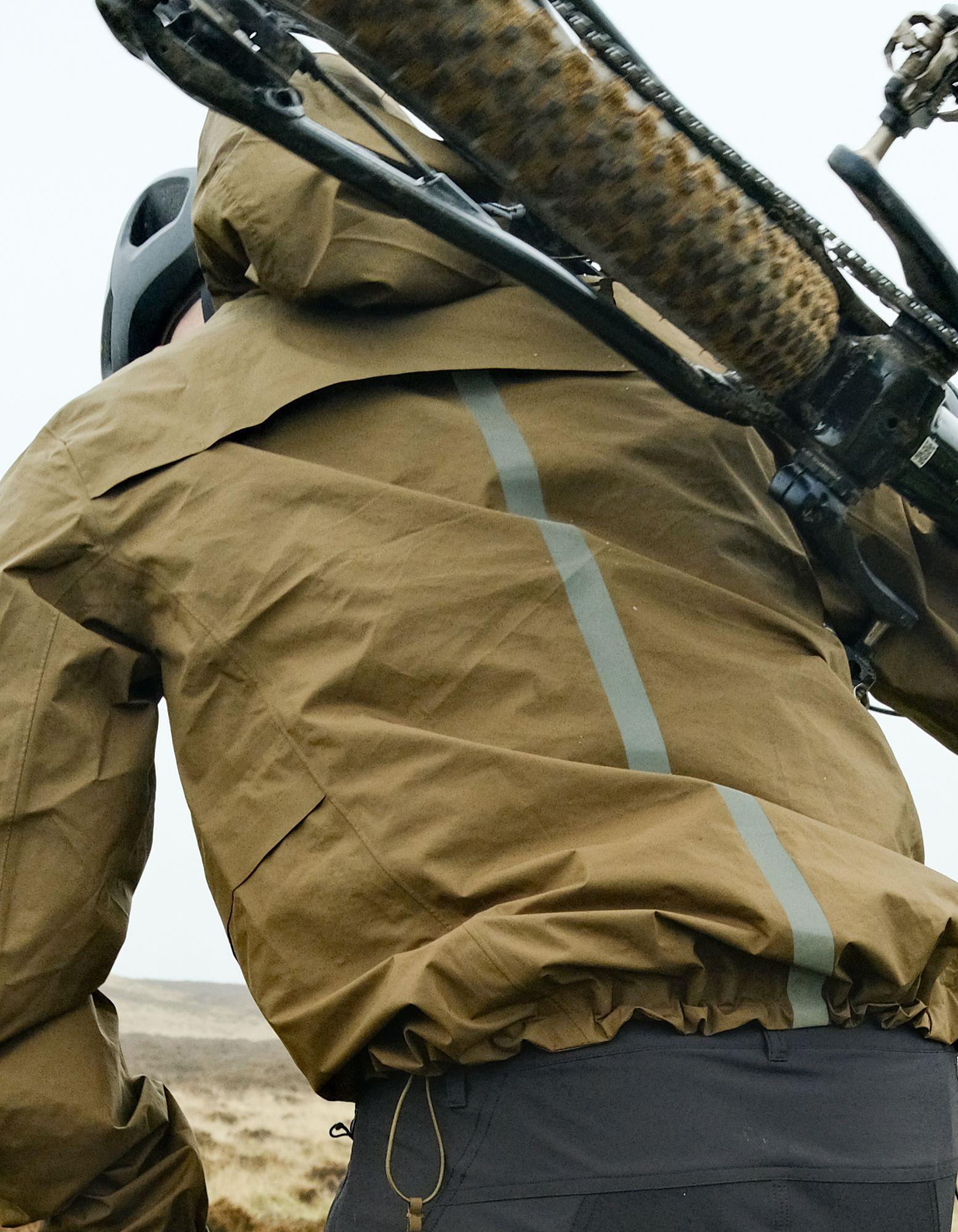
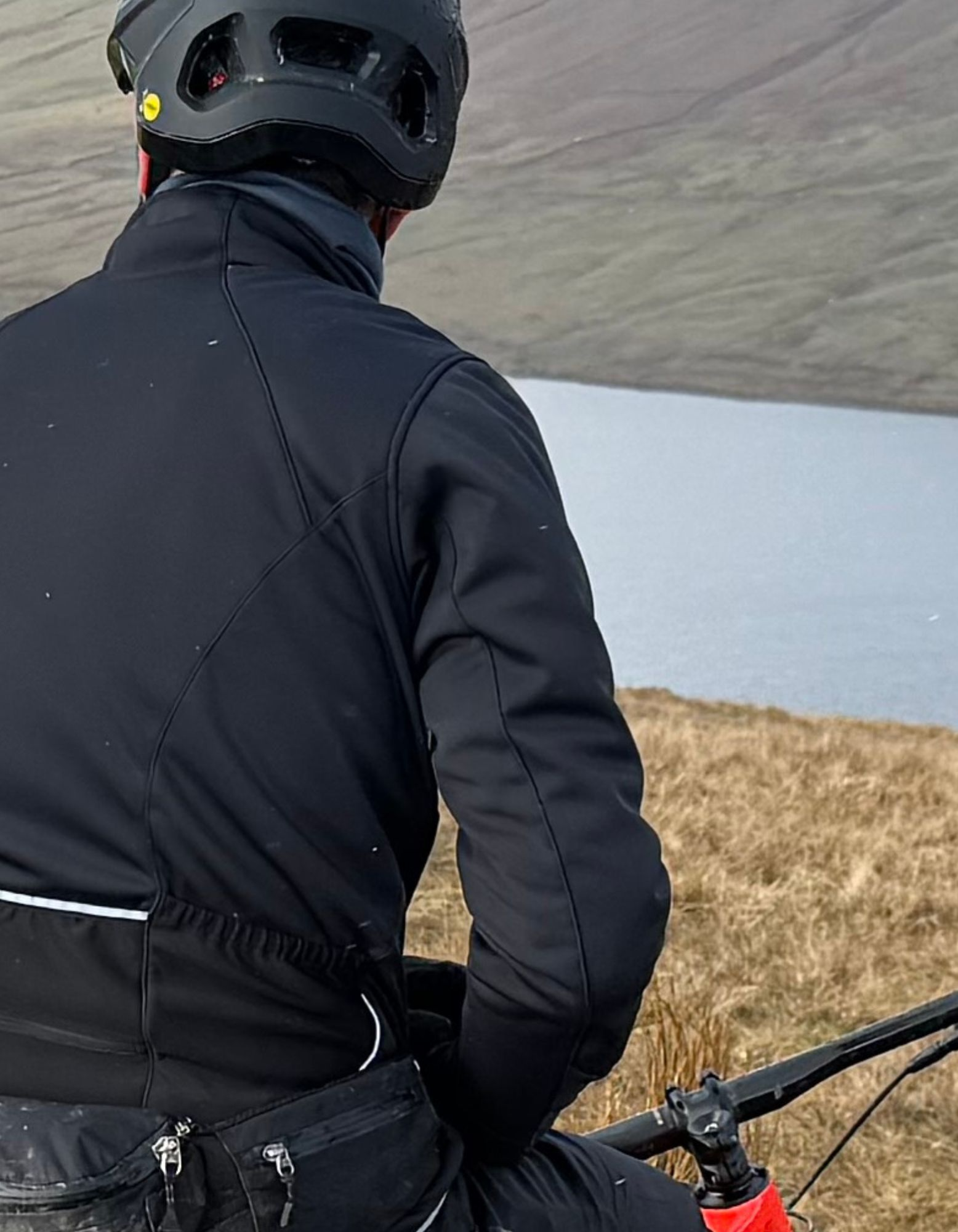
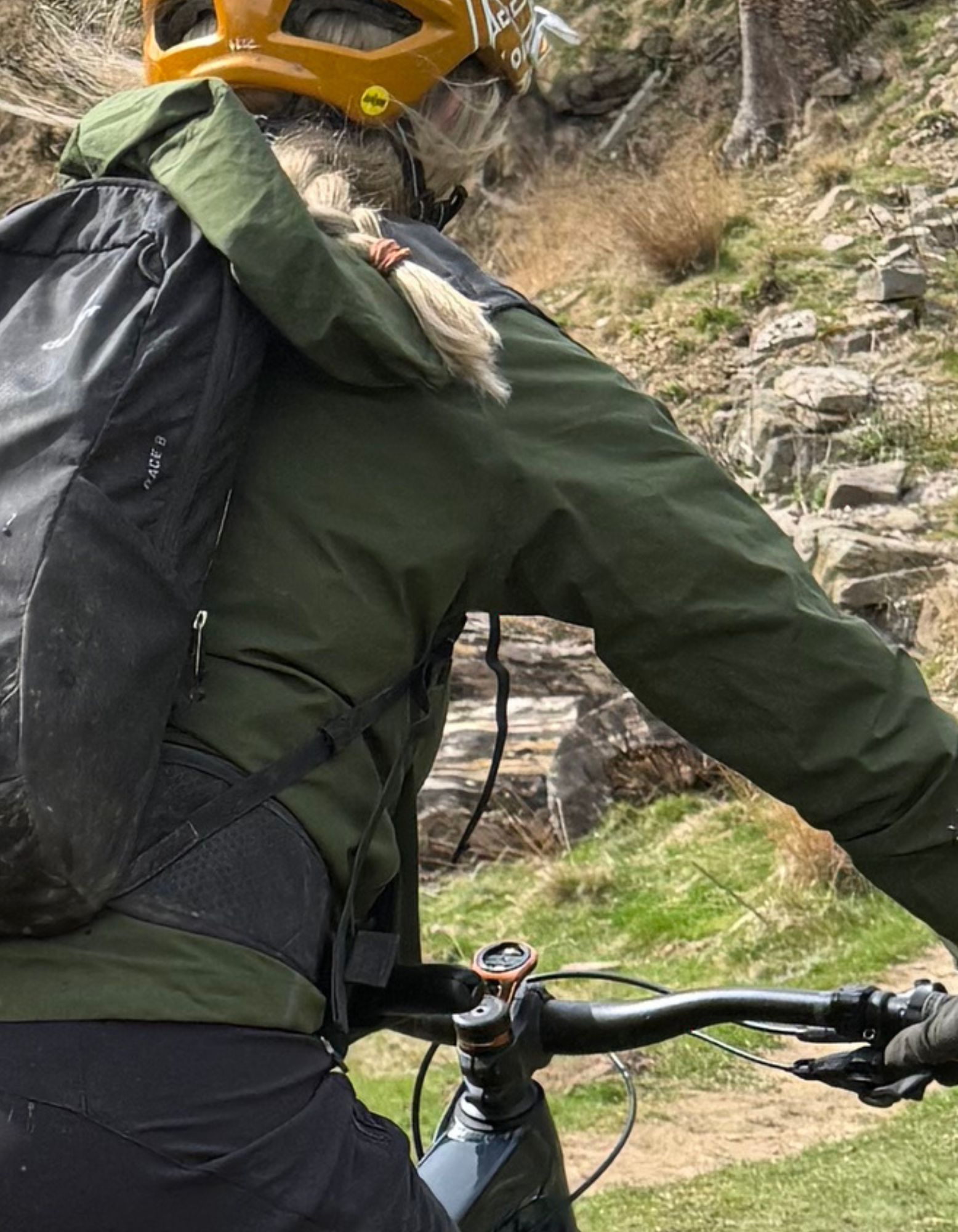
What is a softshell?
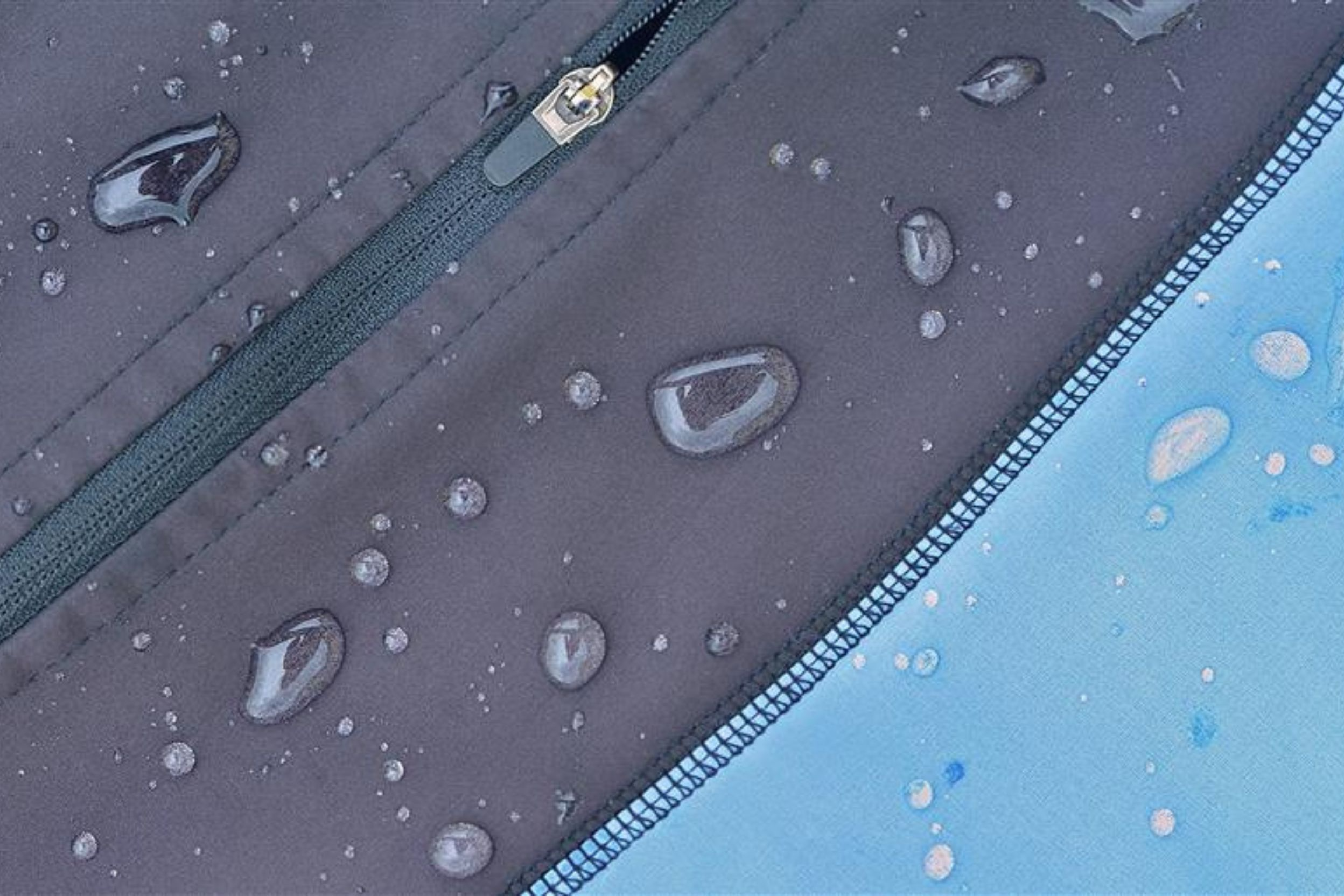
For the purposes of this feature, a softshell is a jacket with some sort of thermal backing and a soft/quiet but wind/showerproof outer face. Sometimes they’re two separate layers (EG Pertex outer, fleece inner), sometimes bonded together (Polartec Alpha), sometimes even woven as one (7mesh WTV). They often have a DWR (Durable Water Repellent) coating but aren’t in themselves waterproof.
What is a waterproof?
People will tag all sorts of fabrics as waterproof, but I’d consider that a coat needs at least a 10K hydrostatic head rating to measure up to most miserable weather for a decent length of time. You’ll often see that hydrostatic rating alongside a WVT (Water Vapour Transmission) rating which refers to how well it can move moisture (I.e. sweat) from inside to outside. There’s a whole other article on how things like weather, brushing against bushes, your base layers, and washing/care routines can affect waterproofing and breathability. But for now, a 10k/10k rating is a solid baseline to start from.
Softshell wins
While there’s a huge range of softshell varieties, from super light to heavyweight, they all have some clear advantages. They’re quieter to wear than a hardshell waterproof. Woven/bonded softshells are generally stretchier (so more forgiving in terms of fit) and more durable if you crash / tangle with a bush.
The biggest advantage actually sounds like a fail though. Because rather than stopping water getting in, they just slow it down. Add the thermal element (from the fleece style backing) plus protection from wind that means they slow down temperature change too. Because there’s no waterproof membrane to percolate through, breathability is generally much better. Plus, your warm sweat pushing out effectively works as a positive thermal element against the cold water coming in.
Lots of softshells are ‘blended’ multi fabric garments with wind/waterproof front/shoulders to fend off foul weather, but a less protected back panel to let out heat and sweat.
Whatever the design, as long as you choose the right one, the end result is that your body generally has time to respond and comfortably self-regulate core temperature throughout a ride. Or to put it simply, you might be damp from rain or sweat at various points in your day but you’ve got a much better chance of being consistently comfortable throughout.
Good quality softshells are generally cheaper than good quality waterproof jackets too.
Softshell fails
The biggest physical drawback with softshells is that the thermal element tends to make them more bulky and harder to carry when you’re not wearing them. They also get heavy when wet and can take a while to dry. Psychologically you’ll also need to get your head around the fact that they’re generally better in wet conditions despite not being waterproof.
Waterproof wins
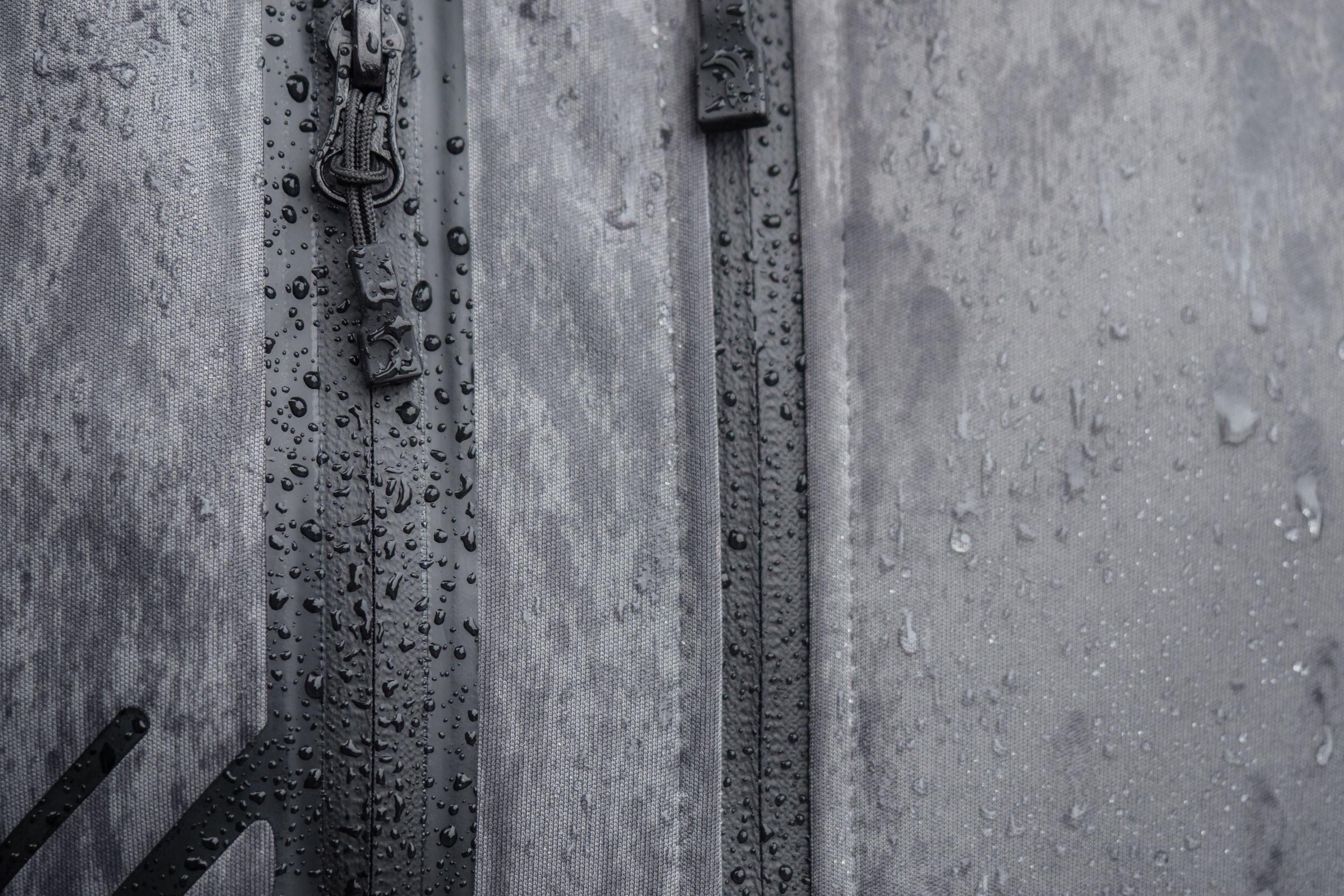
Surprise surprise waterproofs are great when you’re wanting to stay dry when it’s absolutely bucketing down. If you’re taking it easy enough not to sweat inside them, then dry layers inside stay more thermally effective so you stay really cosy.
While things like zips, pockets and hoods can eventually make them bulky, basic waterproofs generally bundle up smaller than softshells. They don’t really hold any water themselves so they’re lighter and dry very quickly too. You don’t have to wash them as often as a softshell either as a rinse will generally get the worst crap off them.
Waterproof fails
The biggest issue with waterproofs is their breathability, especially in the wet conditions where you’re likely to be wearing it. That’s because the water coming through the membrane stops your sweat getting out.
This means that even though they might be stopping water getting in, you’ll get wet inside and then stay wet. The switch to more eco-friendly, non-PFC chemicals means DWR coatings are much less effective. The fabrics ‘wet out’ faster than before, accelerating the build-up of sweat inside.
They don’t provide any thermal protection either so you’ll get cold much faster when you finish a climb and start heading downhill.
When to wear which
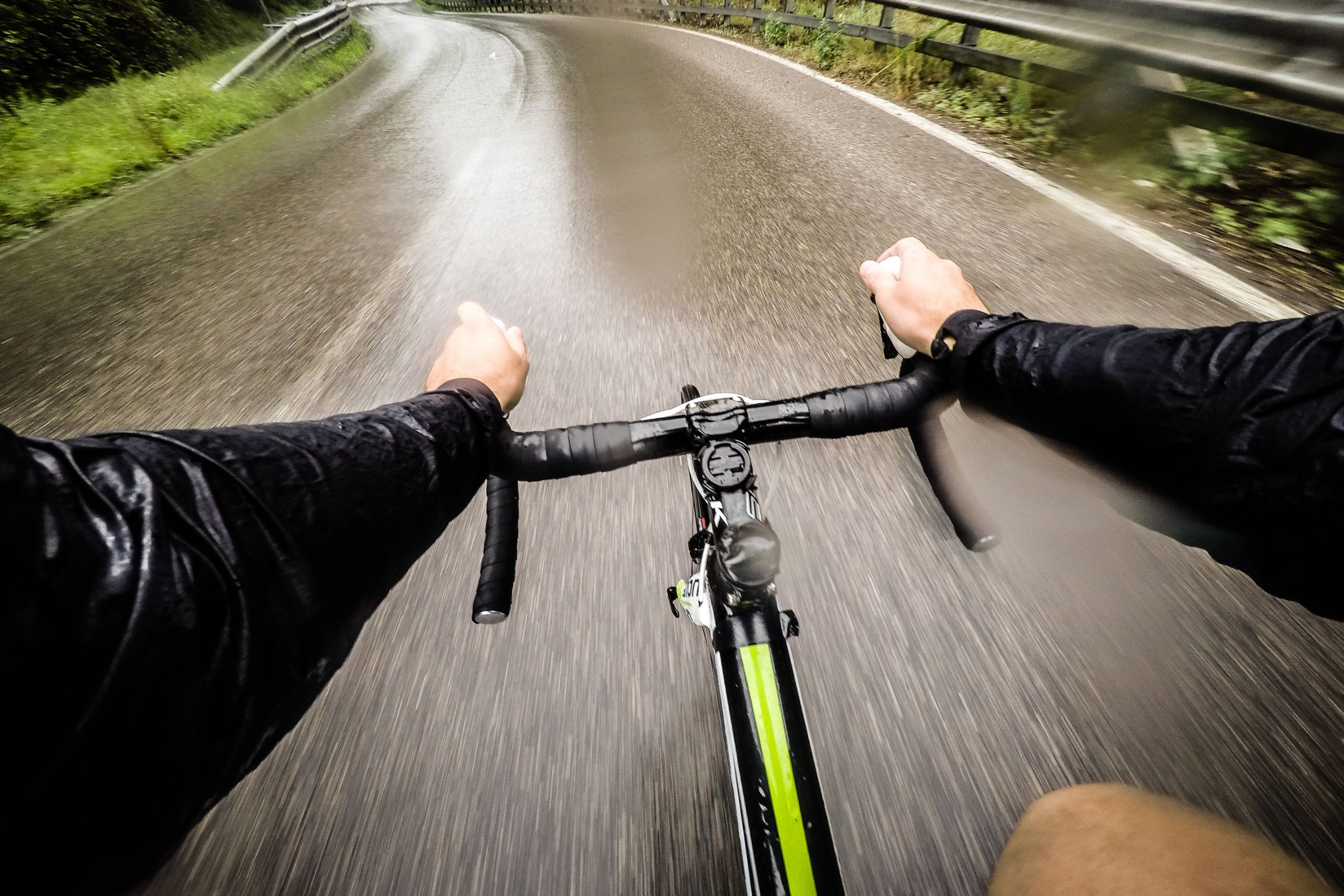
Personal preferences always differ, but for me softshells work better for 90% of rides. That’s because I hate feeling sweaty and clammy, and generally ride hard enough to create sweat issues in waterproofs. So while hardshell waterproofs work for a bit, I’m always worried about getting cold because I’m soaked underneath even in the latest, most expensive coats. I don’t want to be stopping to take layers on and off all the time either, so layers that work with me to create a consistent level of warmth and comfort are perfect.
However, if you ride at a lower intensity - sociable climbing, sessioning DH, uplifting, e-biking etc. Or you’re just fit enough to go fast without steaming up (like our Tom) then a waterproof might be the best answer. They’re also great if you want a more obvious physical barrier against rain, wind, and dirt.
Before you pledge allegiance to Team Softshell or Team Waterproof, don’t forget that whatever you wear is part of a system. Even the most breathable outer layers can’t keep you dry if your base layer doesn’t shift sweat fast enough. Alternatively, you can add heat even when you’re wet with a merino wool base layer like our Polaris Regulate and stay cosy that way.
Combining a lightweight thermal grid fleece like our Array jersey with a lightweight wind shell effectively builds a two-part softshell. With the added bonus of being able to peel it apart to create two levels of easily stashed protection as conditions change.
As we said in our ‘Perfectly Armless' feature we’re massive fans of a gilet for adding protection where it matters without extra bulk too.


