


Are E-MTBs really the future of mountain biking or could they be the death of it?
Sorry, that is a bit of a rage bait headline, but E-MTBs are creating a fundamental shift in so many aspects of off road riding from demographic to legislation that we are dealing with some serious stuff here. Yet even as I start typing this I don’t know where this piece is going to end. And it’s the same swirling mess of personal emotions and presentable opinion clouding every conversation I have with myself or others about E-MTBs too. So let’s dive into the pros and cons so at the very least we can all have a clear understanding of the current situation and the potential problems ahead for powered bikes.
There’s no doubt that E-MTBs have been a positive charge in some ways. They’ve opened up access to proper trails and riding for those too old, injured, unfit or otherwise unable to tackle big climbs and mileage. I regularly speak to riders who had their mountain biking revitalised or re-started by motorising it. As we get older more of us are potentially heading into that category if we want to carry on as before too.
It’s obvious why motors have made mountain biking more ‘fun’ in a lot of people’s eyes too. Removing the cardio gatekeeping of conventional mountain biking has turned it from a lifestyle that punishes lapses in commitment and rewards work ethic into a hobby you can dip into occasionally because absence is forgiven with the press of an artificial fitness button.
Even if you don’t ‘need’ a motor, easier climbs, more descents, faster laps, social chats rather than heavy breathing misery between runs etc. sounds a lot like dodging the greens and skipping straight to dessert. Especially if your mates are already eating cake every time you turn up with a salad.
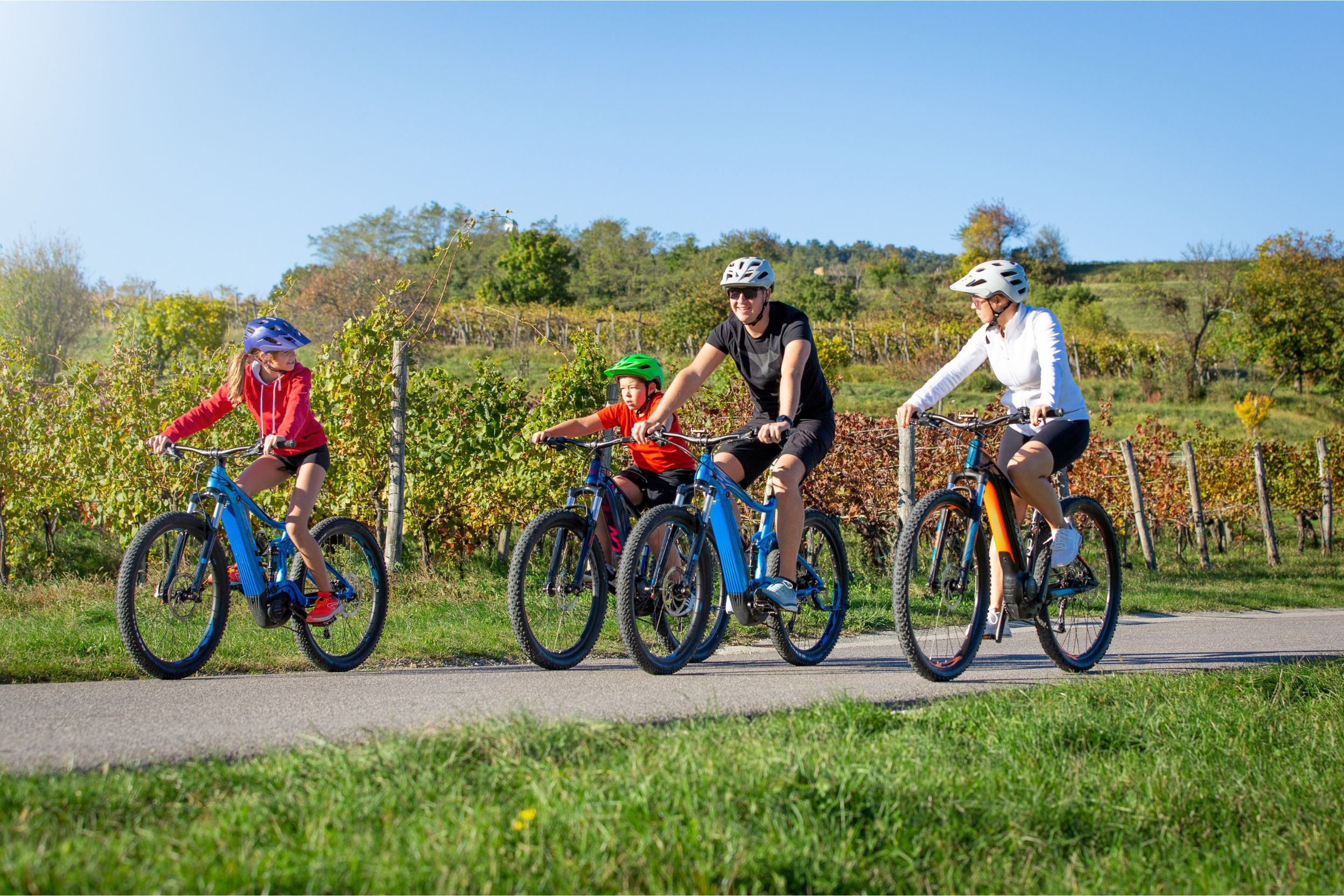
I’m not going to argue that assisted riding is better than none in terms of health gains either. Wrestling a 25kg beast around on slippery trails is absolutely a workout in it’s own right. E-MTBs can also be a super useful tool for athletes and/or rehabbing riders looking to combine proper riding with prescribed intensity limits. Getting more laps in or accessing more technical trails easily can fast forward skills development dramatically as well.
It’s been a big short term boost to the bike industry too. At a time when development of exercise bikes has plateaued somewhere around perfection, motor, battery and electric tech is still advancing rapidly. With Avinox and other Chinese brands bending the power limit rules to rapturous reception and other brands now responding it seems the arms race is accelerating rather than slowing down too.
E-MTBs also put more money in bike shop tills and manufacturer balance sheets when they’re sold. They also eat through transmission parts, brake pads, tyres and lube a lot quicker which is another short term ‘kerching’ win for retailers.
You know there’s a ‘but’ coming at this point don’t you though? And to be honest there’s a ‘but’ for pretty much every point above - apart from the first one.
So let’s talk about that first. Why is ‘rewilding’ previous bikers less of an issue in my view? Because these are generally riders who know their limits (which is why they gave up) and understand the environment they’re operating in. That understanding comes complete with a respect for issues like trail overuse/erosion and other trail / countryside users - including non powered MTB riders.
There’s no doubt that there’s a correlation between E-MTB riders and caring less about their environment though. Some are existing riders who are just carrying on the same ‘ride wherever / however they want regardless’ attitude just with the power to do it more. Others are fresh riders or hobbyists who just don’t know better. Mainly because not giving a damn seems to be increasingly normalised and even encouraged by images of ‘blowing up’ berms that have taken someone weeks to build or ripping rut trails through beautiful virgin woodland.
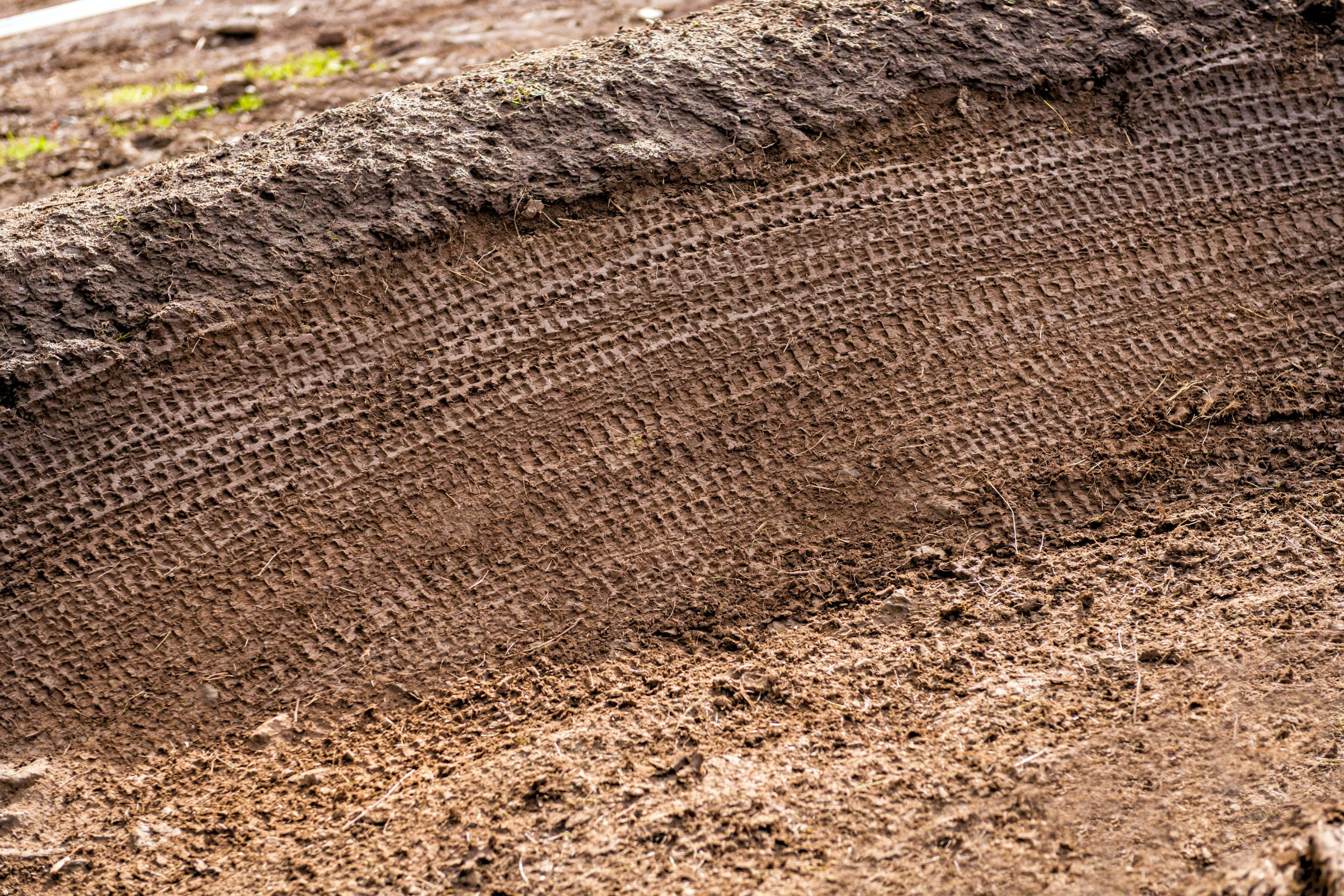
And if you think that E-MTBs aren’t an erosion issue you’re either in denial or being a muppet. Heavier bikes, doing more laps with more destructive tyres and harder braking means trails that have worked for decades are being destroyed in weeks in bad weather. Singletrack climbs that most riders would have pushed up once or twice before are now metres wide mud pits as over powered riders look for grip at the unridden edges over and over again.
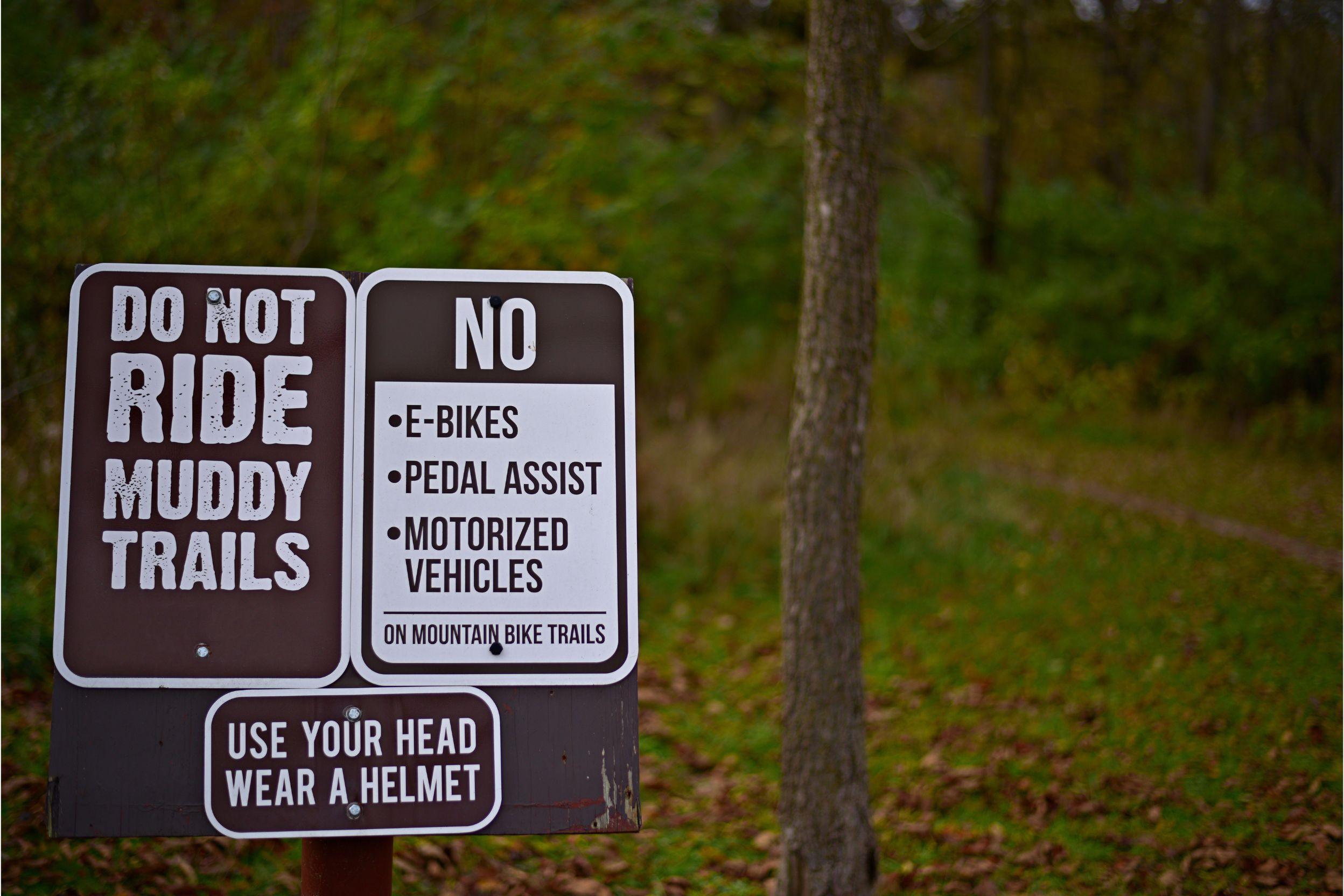
‘Buzzing’ other trail users on bikes that go up as fast as they go down is becoming an increasing issue on the agenda of land management meetings too. In fact one access consultant I was speaking to equated the arms race attitude of the industry and much of the MTB media as “Bike companies acting like water companies. Dumping rubbish in the rivers and then wondering why everyone hates them.”
And if beginner riders are already feeling intimidated they’re going to feel even more excluded if there’s a constant stream of motorised MTBs piling past them on every climb. And yes they could FFWD their own progress by powering up themselves, but entry to that club is at least three times the price of a conventional bike of comparable quality and capability.
And while it shouldn’t impact on my enjoyment of a ride or an event, I’ll admit that the whine of an approaching motor can wind me right up sometimes. Especially if it’s accompanied by a cheesy ‘cheat code’ grin that implies I’m some sort of idiot for choosing to ‘earn my turns’.
Faster bikes and bigger batteries are only going to accelerate these issues too. But if that’s what people want to buy, the industry and media are clearly happy to feed that demand. Because if you know power hungry buyers and influencer hype mongers will froth over the next boost in assistance who cares if the new motor won’t fit into the mounts of the old one. Or if every brand and sometimes every bike in their range has a unique battery standard. They don’t even seem to care that brand names and bespoke technologies they’ve been building for decades have now become secondary to the electrics. Want an example? Santa Cruz and Yeti have totally changed their suspension systems to work with specific motors but are still suffering because everyone seems to want a DJI/Avinox system not Bosch or Shimano. Because how can 750W be enough if you could get 1000W (or a rumoured 1500W max for Gen 2 arriving soon)? And that’s before you look at brands like Stanton creating YouTube videos of their bikes with 6000W, 50mph top speed DIY kits.
Bodge bikes and the DJI revolution also underline the fundamental reliability and quality of life issues that adding electrics to an MTB can bring. To be fair DJI’s system seems to be very robust so far and most existing engine brands are much better than they were too. However there’s no escaping the fact motors and batteries can rarely be repaired on the trail or in the car park. Meaning more ruined rides, wasted journeys and potentially dangerous stuck in the middle of nowhere situations.
Nobody is being honest to prospective buyers that warranty and repair rates on E-MTBs are massive magnitudes higher than pure pedal bikes either. And that’s not just sharp practice, it’s also really bad business. Because those costs rapidly cut into and often reverse the gains of those bigger initial sale totals. Meaning shops have to work harder and deal with more angry customers as their ownership becomes more like an occasional subscription. And maybe e-bikers are more patient than I am, but if I paid extra for a bike that burnt through parts even when it was working and regularly didn’t work at all I’d be pretty peeved.
But what are your options when that happens? Get a normal bike and suck up the suffering of the climbs you’ve been gifted before. Accepting you still won’t get half the runs you’re used to however hard you try? Rapid obsolescence and second hand motor mistrust means resale values similar to used bog roll too. That all sounds like a consumer experience that’ll tear up their interest in MTBing even faster than skidding a 25kg barge downhill will destroy a sensitive habitat.
And that’s before the sweeping changes in legislation that we’re seeing being hinted at - and already on the way to being implemented in New Jersey - could outlaw even currently legal E-MTBs. Or see them hit with the same insurance issues, landlord restrictions and mandatory helmet requirements being mooted for the fire bomb mopeds and DIY dragsters favoured by the balaclava baddies and Deliveroo crews. And if we start including those in the conversation then it’s a whole different ball game for the whole of ‘personal mobility’ not just mountain biking. But with E-MTBs getting ever closer to electric motorbike performance I’m genuinely baffled why many riders aren’t just giving up pretend pedalling and just getting a Surron or similar anyway.
So what is going to happen with e-bikes? As I said at the start, I come up with a different answer every time I think about it. Sometimes I just decide it’s one of the regular scaremongering ‘end is nigh’ moral panics that technology has bought to MTB over the years. I’m old enough to remember the original MTB outcry amongst the horses and hikers who suddenly found their bridleways full of ‘lycra louts’. I can recall when suspension was going to see riders going down footpaths so fast they’d be flowing with rivers of rambler blood. Or the outcry amongst anyone who owned a wood because ‘freeriders’ were filling the trees with sketchy ‘North Shore’ plank rides that would surely put a nail in the sport not just a bunch of ‘borrowed’ pallets. Then it was the Covid cheeky trail explosion caused by bored kids finding fun, fresh air, fitness and friendship with a spade not anxiety, paranoia and self harming solitude with a screen.
Or are E-bikes on the verge of causing some very real issues in terms of access, legality and broader future of mountain biking?
What I do know is that the ‘industry’ needs to be a lot more honest with itself and consumers about the reality of E-MTB and invest in creating sustainable attitudes, infrastructure and technologies. Because continuing to press boost and worry about the roost later definitely seems to be asking for trouble.


