


The year ahead might be the hardest ever for the MTB/Gravel bike industry, but it’s potentially the best ever for off road riders.
As we roll into a new year, MTB manufacturers, distributors, shops and media that ‘survived through 25’ are potentially facing an even worse 2026. If you’re riding or buying a mountain or gravel bike this year though, the future looks brilliant.
202Sicks?
If you want a perfect example of how those seemingly contradictory things can be true let’s look at the bikes you can buy. Whether you’re into Gravel, XC, Trail, Enduro or Park/DH, the bikes you can buy now are the best bikes ever. However you want your bike to ride, there’s enough bandwidth to find something where the suspension, geometry, upgradeability and strength to weight requirements are all superb.
The trouble is, no-one is buying them. Part of that is because of the massive switch over to E-bikes, but the main reason is there’s very little need to. That’s because the previous generation of bikes were also brilliant. Sure, some brands had to play catch up to add things like internal storage or a lifetime warranty, but most have now ticked every box they want to offer. And if you remember, the previous generations of bikes were often bought at the height of crazy Covid pricing. So not only is there no reason to get a new bike, if you sell your current one the depreciation is insane.
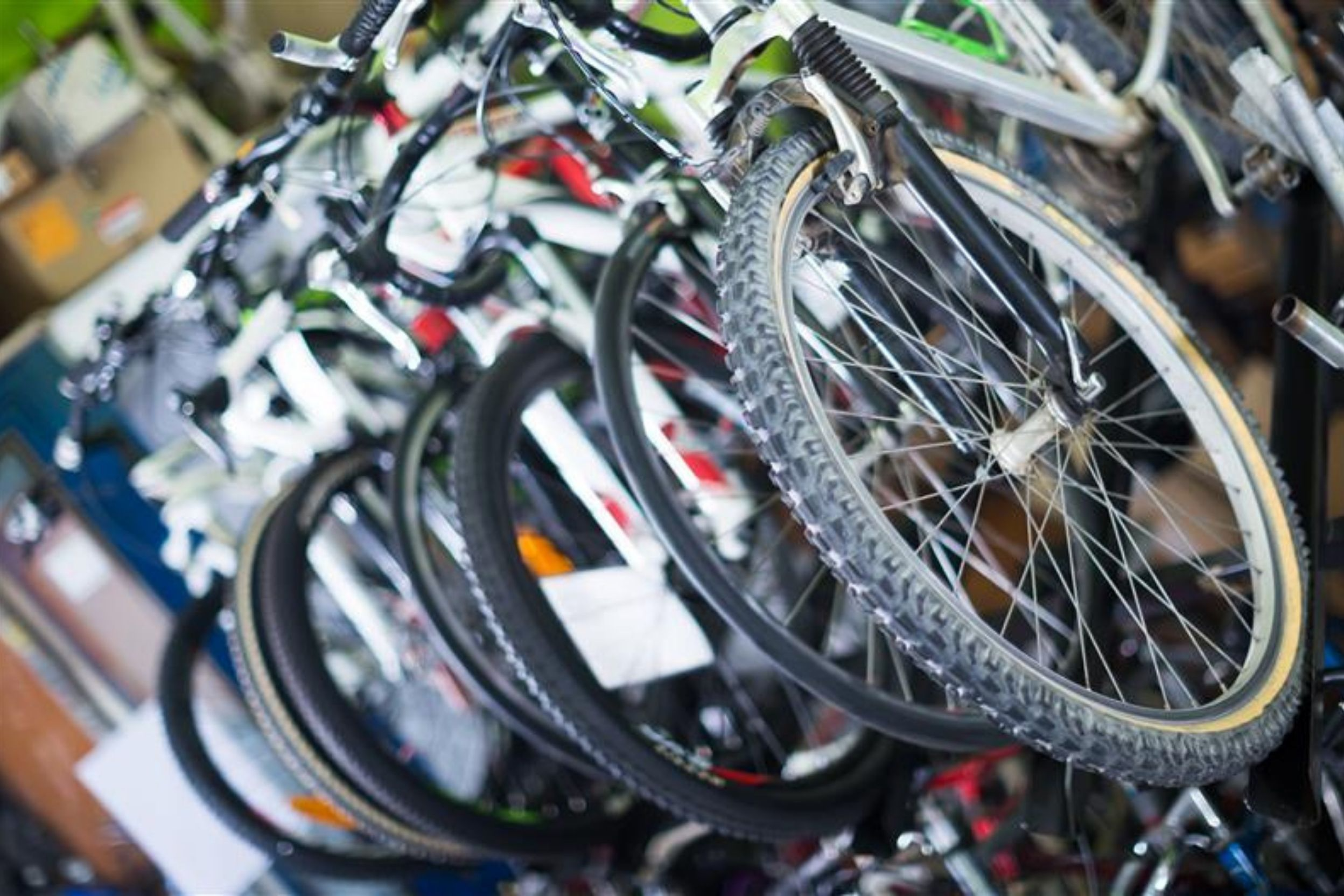
That’s because manufacturers, distributors and shops have been discounting so deep and so long that profit margins have been destroyed. New bikes that aren’t selling are piling up on top of older bikes that haven’t sold either, compounding the overstock problem even more. As a result, even the biggest brands like Canyon, Trek and Specialized haven’t been able to dodge serious cutbacks in 2025. And then we’ve got all the US fun with taxes and tariffs, and working condition disputes with many of the biggest brands and vendors. Then we’ve got actual wars on top of trade wars causing massive supply chain issues (I heard a shocking story about how much stuff has piled up on the Polish border since they restricted trans-Russian traffic) as well as massive economic uncertainty.
While E-bikes looked like the obvious escape route, the true cost of motorising mountain biking is now starting to dawn on those too dumb or greedy to spot it straight away. I’m talking about very fast obsolescence, no shared tech or even frame/battery standards. Huge warranty costs can be caused by motor or battery issues. Different motors for different regions/riders, and the flip from legacy bike brands to new Chinese direct-sell suppliers. And that’s before you add in the risk of legit e-bikes getting caught up in selling, trail use and storage legislation aimed at the DIY or direct-sell firebombs you see everywhere now, or the balaclava-wearing Surron bad boys. There’s so much potential carnage attached to E-bikes that it’s worth another feature entirely on its own.
And while the brands and their decisions over the past decade are the source of the suffering, it’s your actual touch points that are at the whip end of the misery. By that I mean your local bike shop caught between online discounts and bullying suppliers, or media who are seeing advertising revenue replaced by affiliate kickbacks and resorting to clickbait rather than curated content in a scrabble for short-term survival.
202Sick?
The great news is that most of these negatives are actually a positive for riders. For a start, how is being able to buy the best bikes ever (new or second-hand) for discount prices not fantastic? Especially with all this economic uncertainty flying about.
And while most of my industry peers will talk about a ‘healthy industry’ being crucial for riders, the truth is it isn’t healthy. It’s morbidly overweight in terms of brands, and lazy in terms of relying on hype while outsourcing or copying innovation from others. Individual operations withhold information that could make the whole business fitter and more efficient in the hope of hoarding individual gain at the expense of the greater loss.
In a similarly selfish manner, apart from a few noble exceptions, profits aren't ploughed back into trail building, advocacy, campaigning and other infrastructure that could grow off-road riding legally, responsibly and sustainably. Instead, ’successful’ investment is thought of as something to be begged from toxic vulture capitalists, not the secret workers in the woods our culture increasingly depends on. And now all of this has come back to bite it on an arse that’s grown too flabby and slow-moving to escape.
So while my inner cynic and experience of similar previous cycles suggests I’m being optimistic, hopefully the fight for survival will force brands, suppliers, shops and media to do better at every level. Better service, better warranty, better support of the roots we grow from and better product.
Again, taking bikes as an example, brands are going to have to do something special to get us to buy new. Either far-out freaky stuff from indie innovators or really focused, worthwhile development leading to increased performance. Some brands are lucky and have an obvious leap to make, like Santa Cruz with their switch to four bar already getting euphoric reviews. Bikes like Trek’s new Fuel show how increased versatility in terms of travel, wheel size and intended use based on the same frame can reduce SKU numbers.
The excellent reception for SRAM’s cable-operated Eagle 90 and 70 and the hate Specialized got for going wireless-only on the Stumpjumper show that analogue still has a strong future. Or if you do like electric gears, you’ve now got fresh Shimano and other brands to choose from.
With WarnerBros/Discovery locking racing coverage behind an ever-higher paywall and totally ignoring the core underdog/alternative vibe of MTB to pursue a policy of creating superstars to capture casual viewers, I’m hoping we’ll see brands seeing the true audience for XC bikes. Not as vehicles for hyper-velocity freaks in skinsuits, but the perfect next step for all the people wanting to explore further, wilder and safer than they can on a gravel bike.
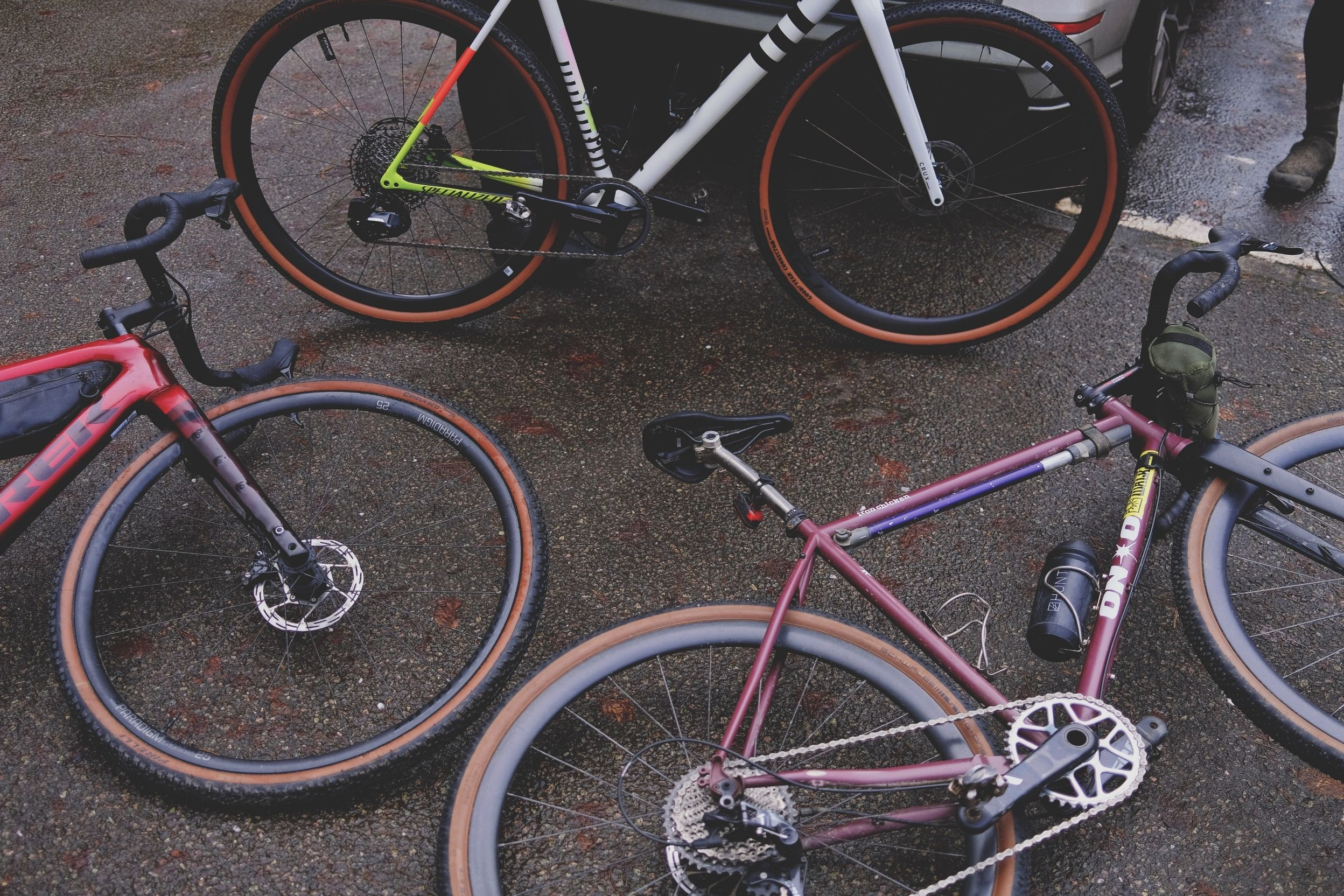
After all, surely it’s about time someone realised that all those ‘These MTB tyres are faster than gravel tyres’ features are missing the obvious ‘These MTBs are faster than gravel bikes’ point. But again, that’s probably another discussion to dive into at length. What I do know is that the gap between lighter MTB kit and chunkier gravel kit and what people are using both for has never been narrower.
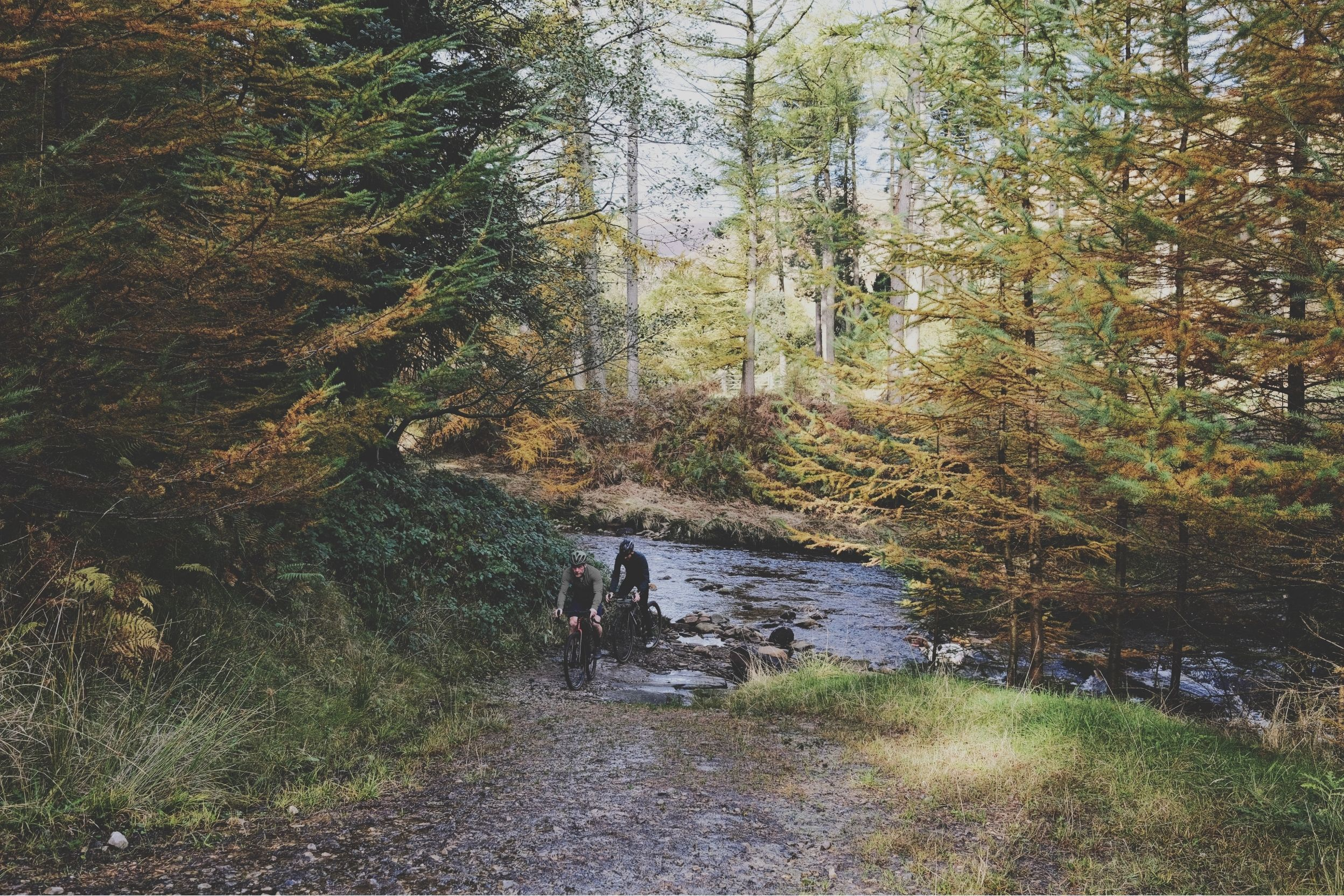
That comes with the double win of opening up MTB to not just a whole new rider demographic, but the ‘right sort’ of rider demographic in terms of national parks, tourist boards, government agencies, local businesses and other crucial stakeholders. Because wild camping might cause some issues, it’s way less triggering to landowners than illegal DH tracks with increased injury and therefore liability issues for riders and other users. The bikepacking, touring and gravel cohort also literally colours in a lot more of the racial and gender rainbow than Red Bull-fuelled MTB. They talk in terms of embracing, enjoying and respecting being in nature, not shredding it. No surprise then that I’m looking forward to a year where I’ll be involved in several local and long-distance MTB/Gravel route creation projects.
And while if you’re reading this here I’m sure I’m already preaching to the church of wild riding, there’s one final excellent piece of news for 2026. We’re already riding round in pre-production samples of the core range pieces of Polaris kit that’s definitely worth buying over discounted stuff from other brands that clearly wasn’t good enough to sell in the first place.


